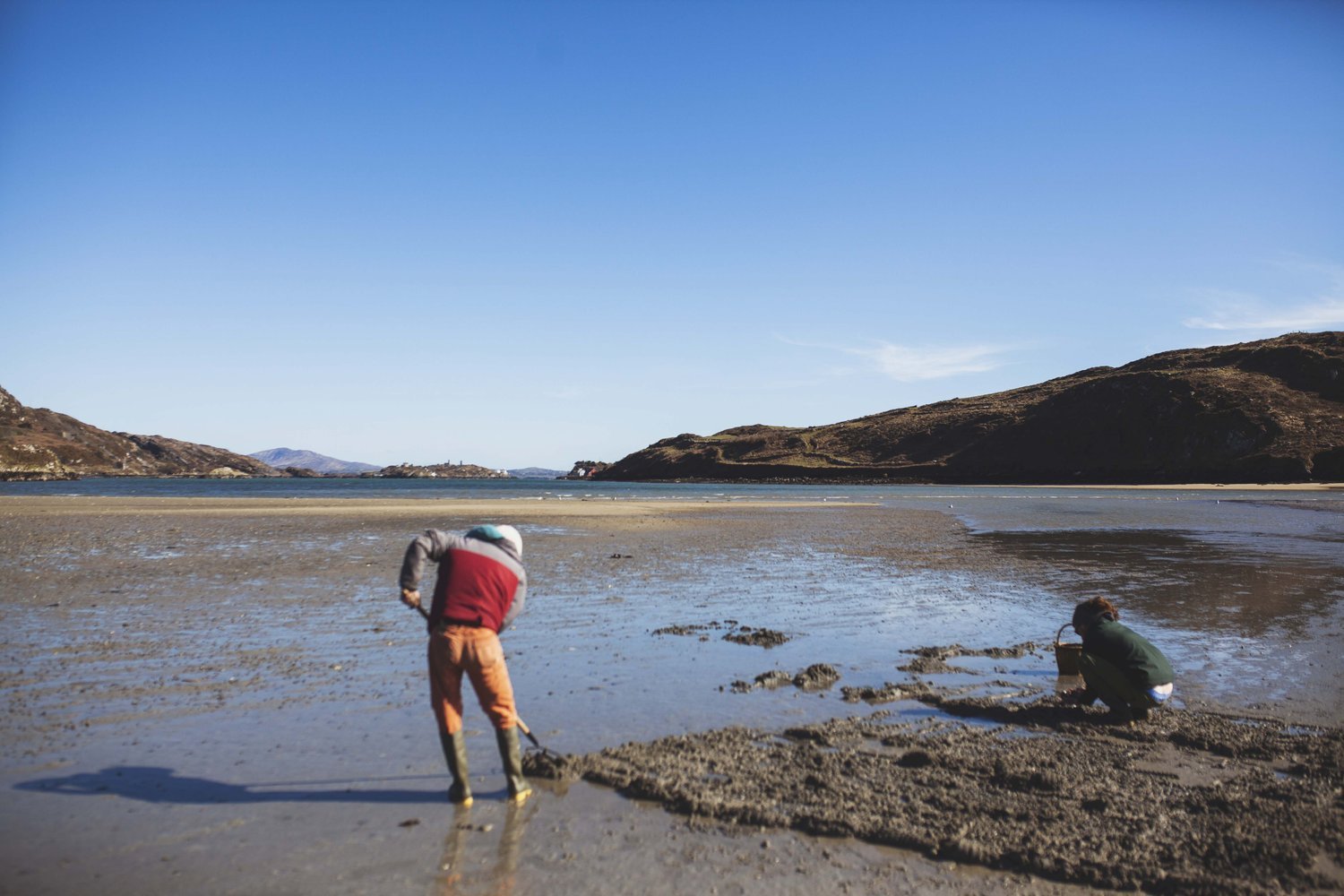

When the weather is good and the tides are strong, this is when we must drop everything and visit the foreshore to seek the treasures of the indomitable tide.
This is a day to remember the entirely passive, traditional techniques of harvesting in times where the landscape sustained life, and to learn about the creatures themselves in their given coastal context. By exploring the traditional, human ways, these are skills that once learned, stay with you for life.
WHO IS THIS FOR?
This outing is for anyone looking to rediscover traditional ways of sustained life in the coastal context.
The goal of the day is to learn about the following:
How to respect the danger and beauty of tidal waters
How to identify “pristine” waters and the wherefores and whys of how to harvest
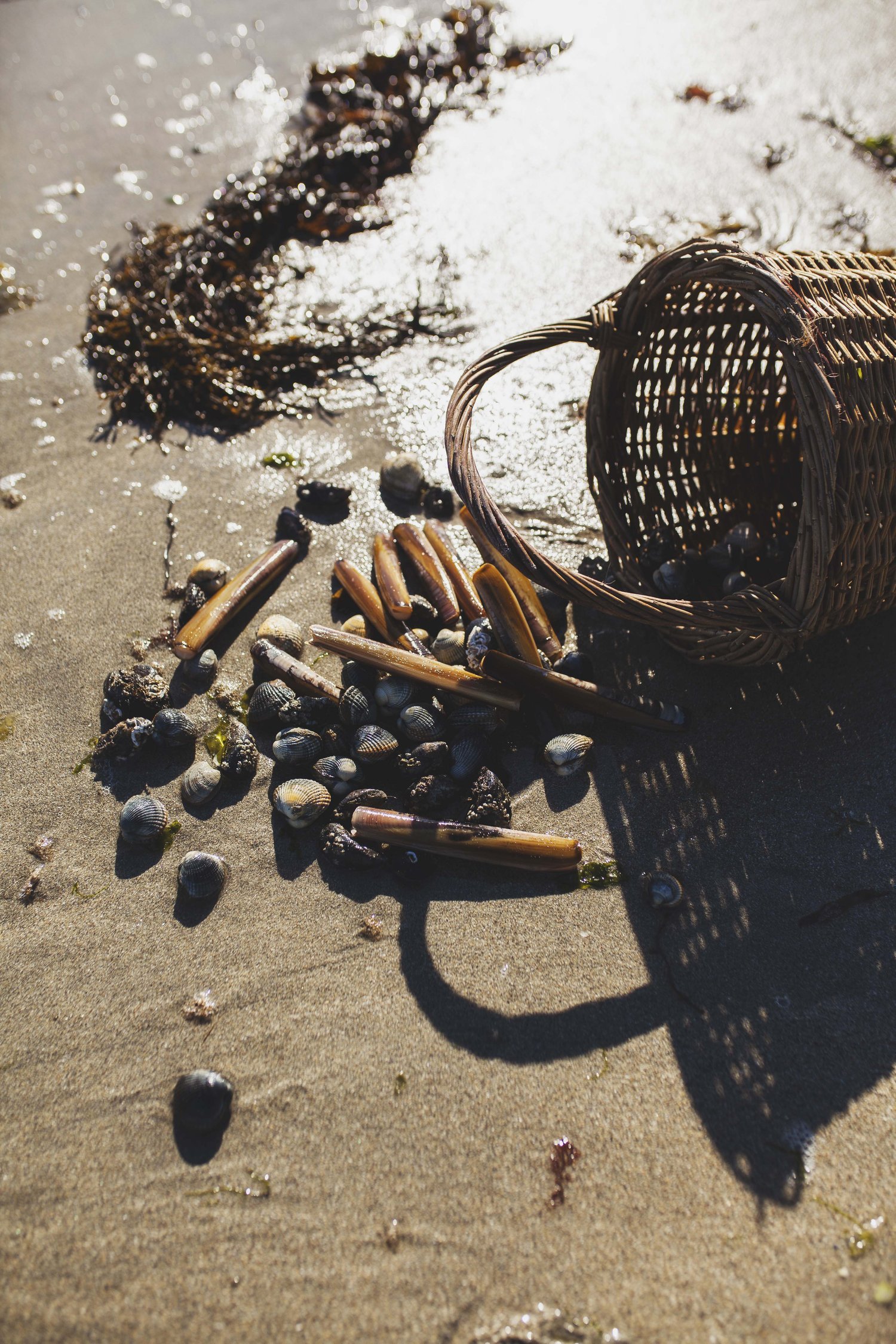
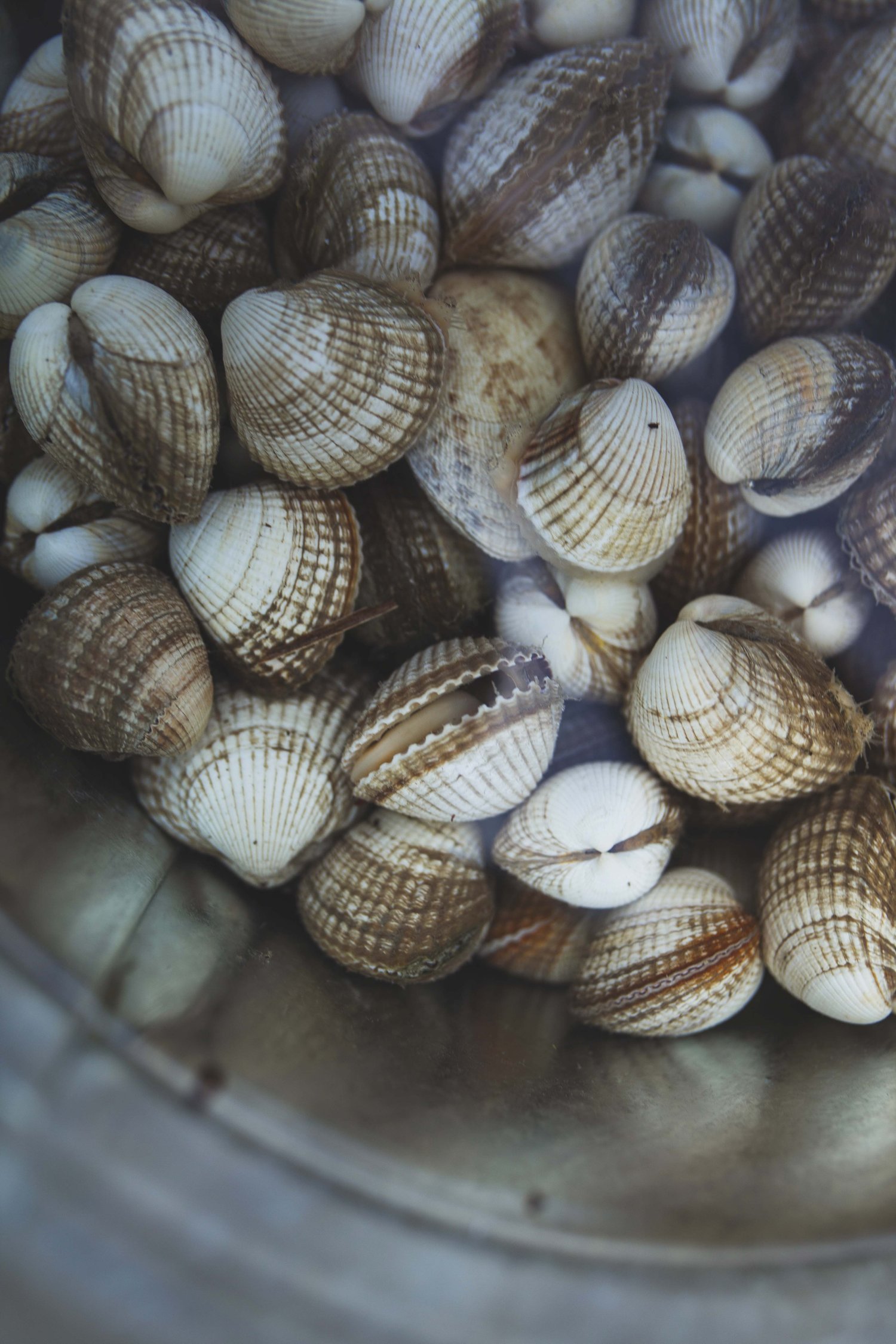
How to identify cockles, mussels and razor clams as well as wild greens like sea orache and sea spinach
What food represents nowadays against tradition, and how we can go forward genuinely sustainably
How to preserve seafood in jars using fat, salt and acidity for home use
A demo of how to cook what you might catch
Shared, communal feast around the fire - feel free to bring something from where you have come from!
Expect to find: razor clams, cockles, mussels, sea beet, sandwort, pepper dulse, carragheen moss, brown shrimp, prawns, rock and marsh samphire, shore crabs, and many more!
The point of this day is to demonstrate how the coastal landscape was once a true source of food, and the importance of keeping these things relevant by learning from the past.
THE SHAPE OF THE DAY
MEET AT THE BEACH - 10:00 (The itinerary of the day will be based around low tide)
We gather together at the designated spot for coffee, taking stock of the beautiful cockling beach we are about to explore. We learn about the cycles of nature and the traditions of gathering from in this particular habitat, as well as stories from marginalised communities across Europe and how we have become disconnected from the basic human connection and reliance on the wild.
GEAR UP
These days we can prevent ourselves from exploring or foraging by thinking we do not have the right tools with us. Too much reliance on specific equipment can act as a barrier in achieving the end goal of finding sustenance. Following our “No Recipe” approach to absorbing traditional techniques, we discuss what available tools could be used for a successful outing, along with ones that work perfectly for the job which we all have at home, to awaken and nurture your inherent ability to engage with the landscape as larder.
HEAD OUT
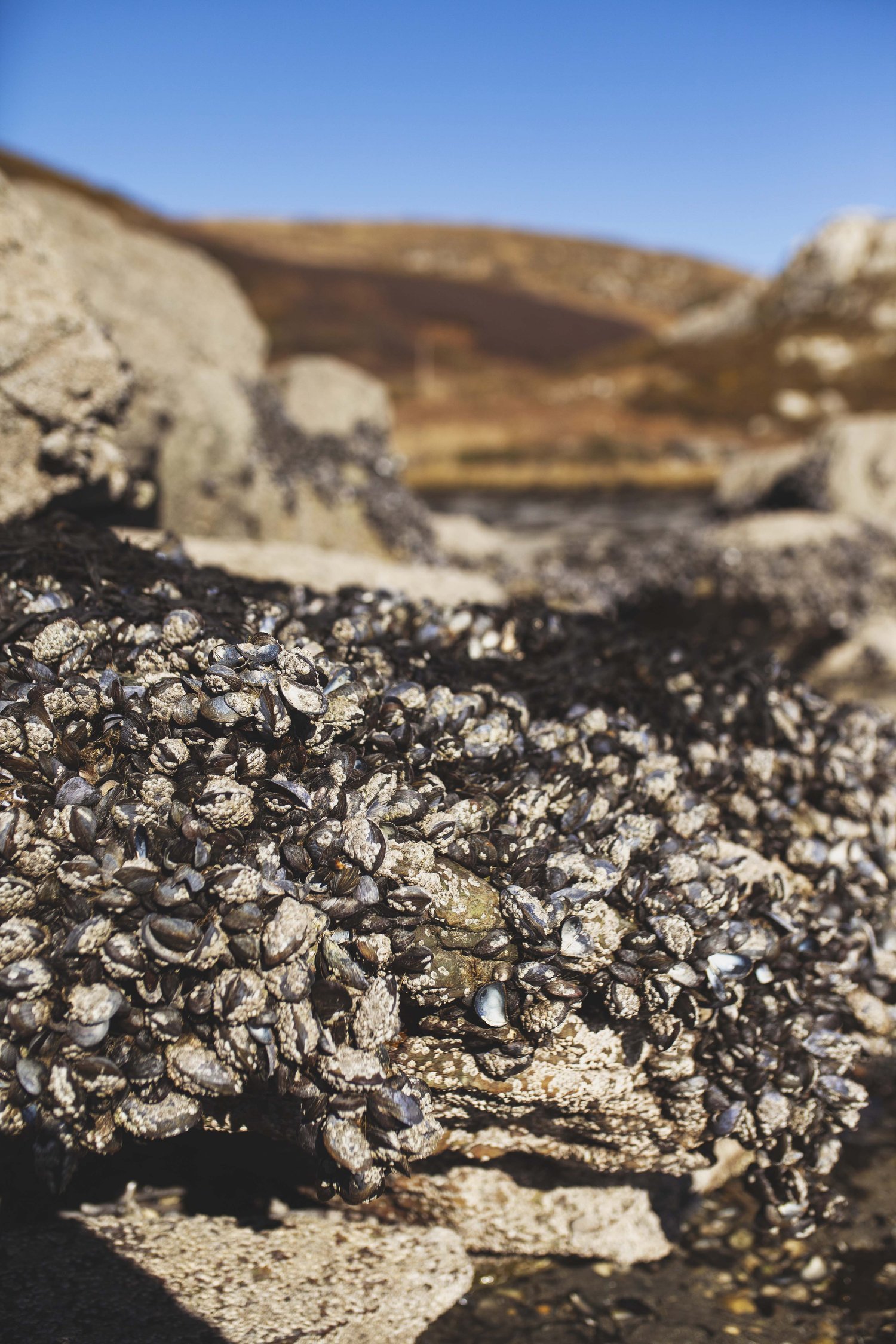
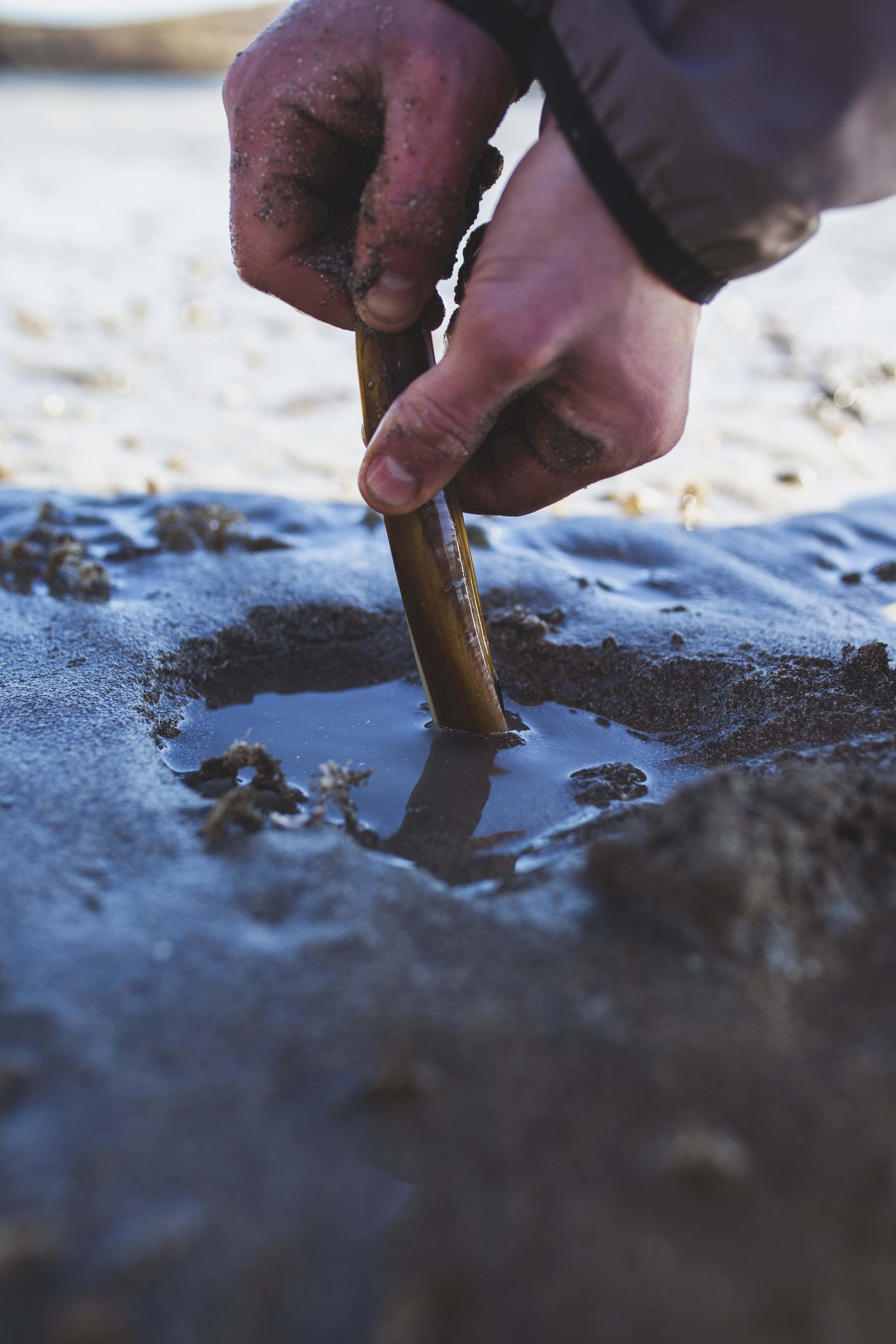
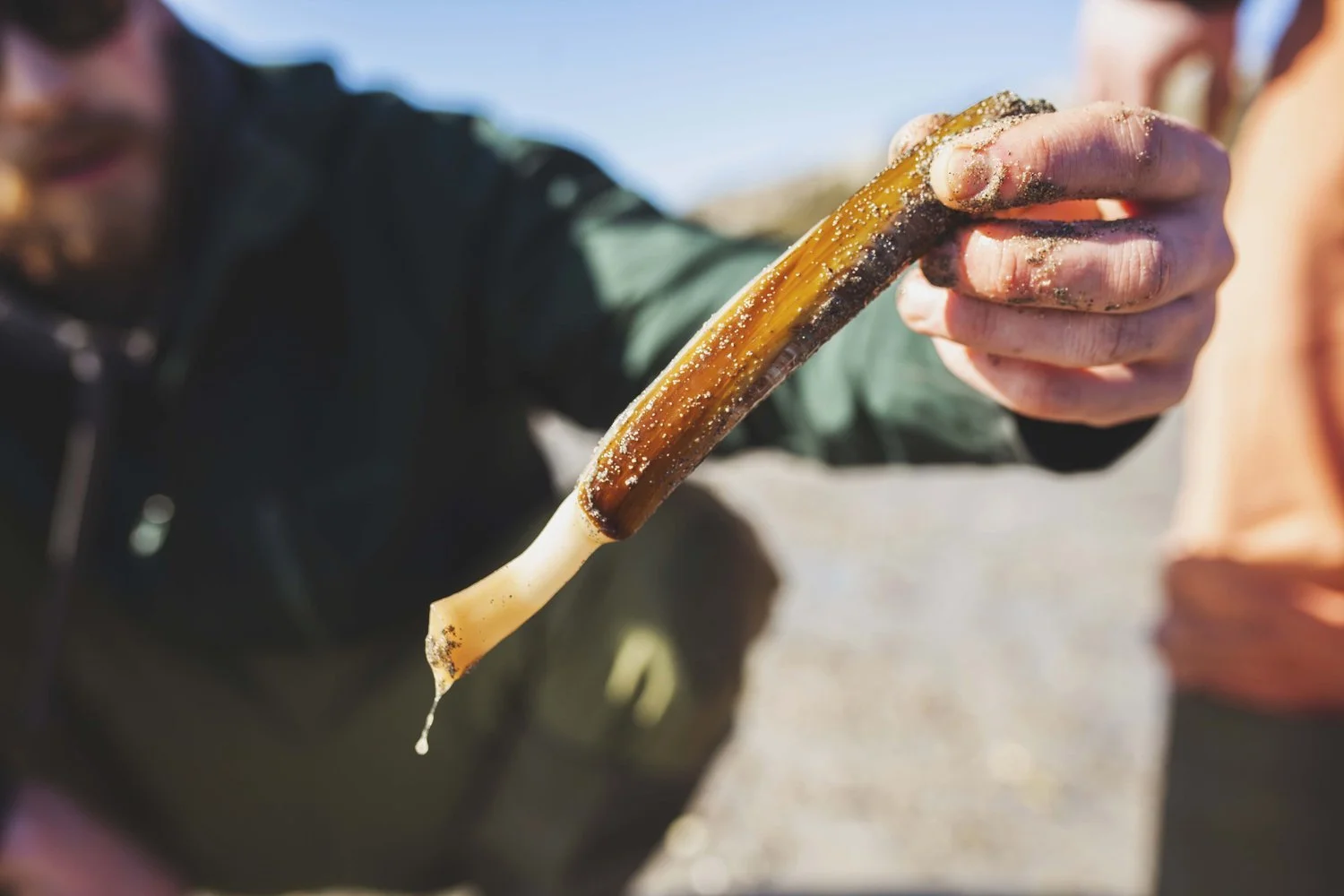
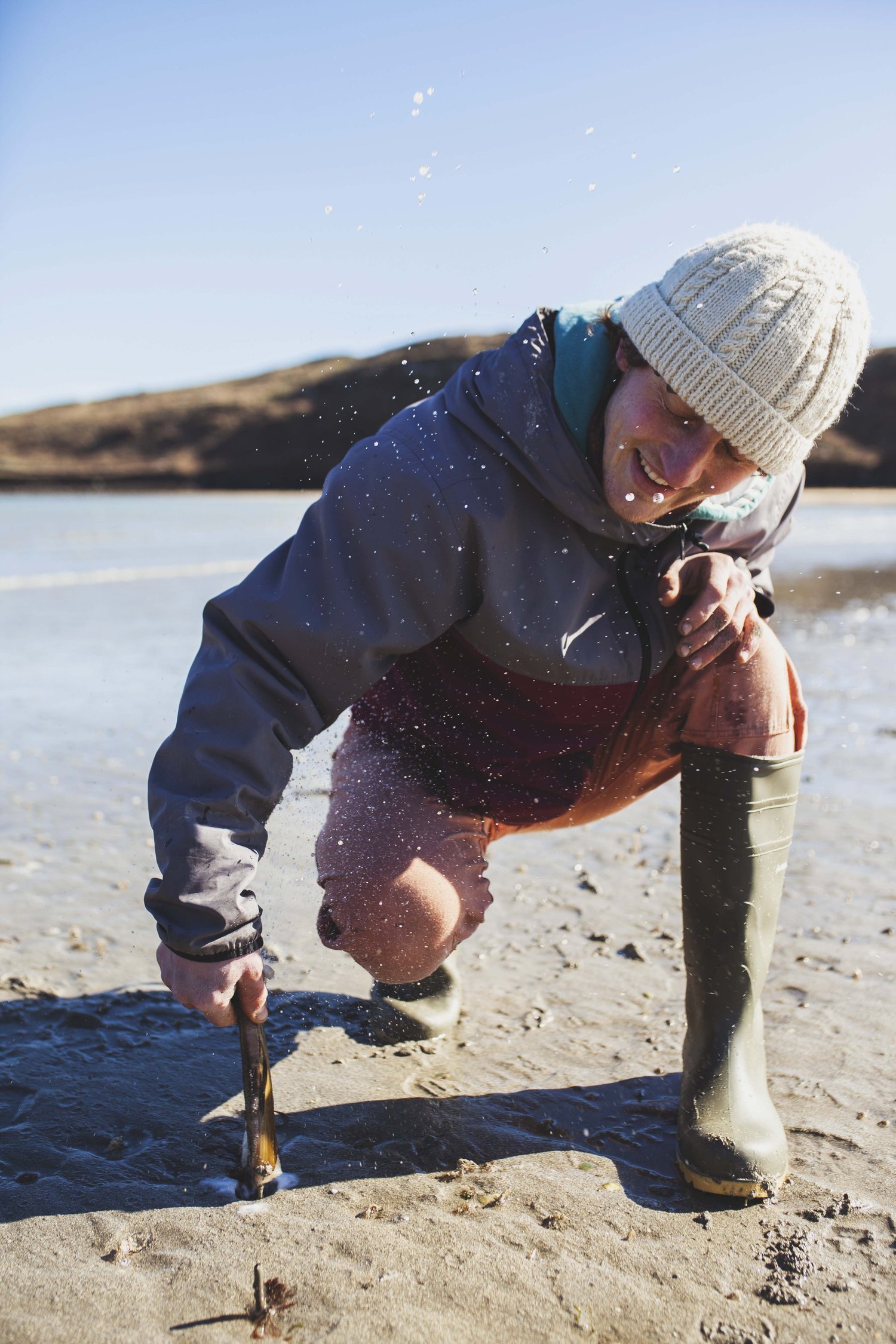
We walk the inter-tidal zone identifying areas for successful cockling, as well as reaching the wild mussel beds. These are long established patches of beautiful wild mussels, whose sandy habitat means they can even contain pearls! We identify the tell-tale keyhole mark of the cunning razor-clam, and learn to use salt to coax them from their sandy holes.
WILD GREENS
We head to a nearby beach to find other wild edibles from the seashore like sea-beet, sea kale and pepper dulse, where you may gather a small quantity to cook on the fire.
PREP DEMONSTRATION
Knowing how to clean and prepare the bivalves is important for food safety, as we have become disconnected from this delicious and abundant wild food to the point of fearing it. Reconnecting with these creatures this way helps us regain our trust in our own ability to feed ourselves, and education around sustainable harvests is everything.
SHARED FIRE
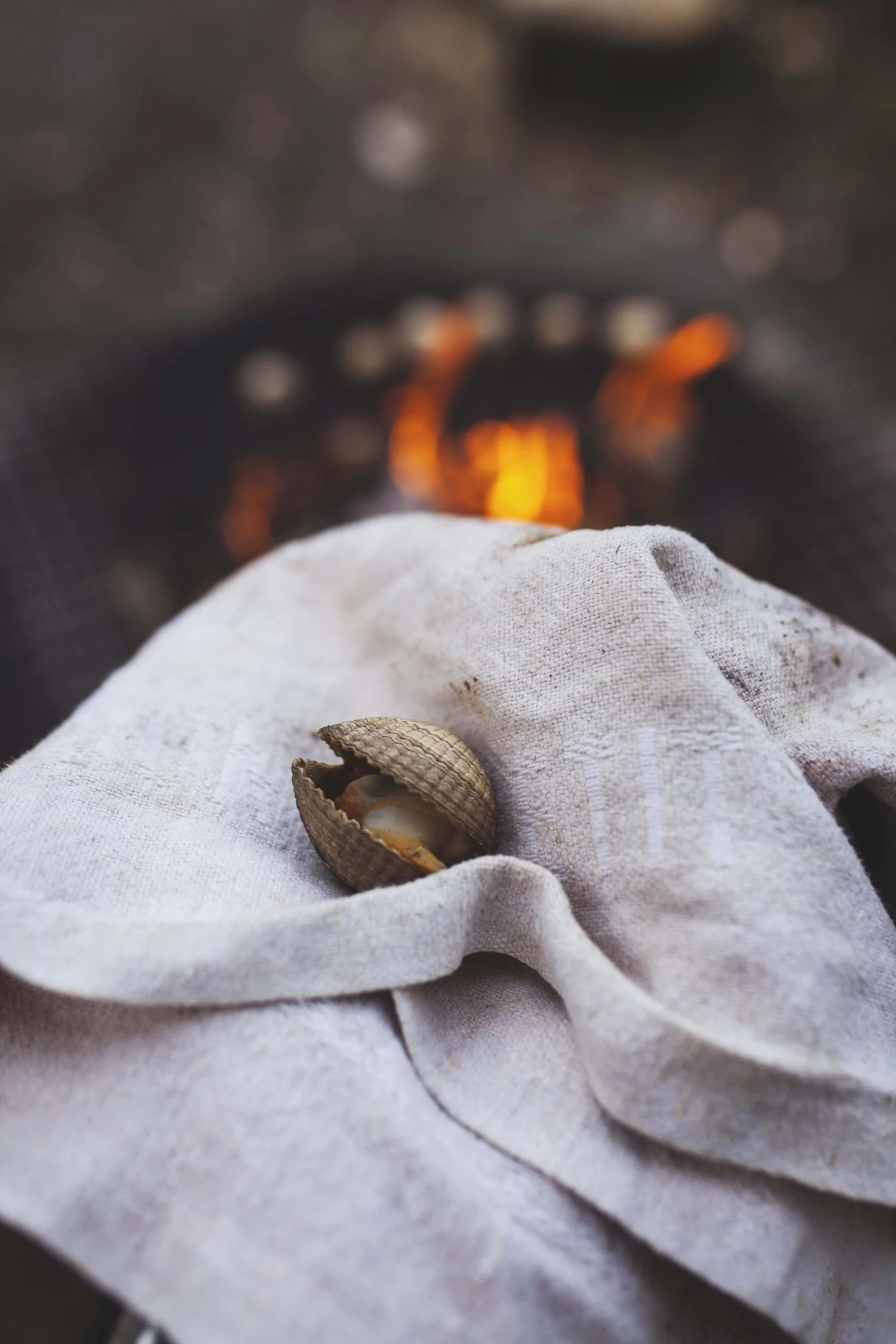
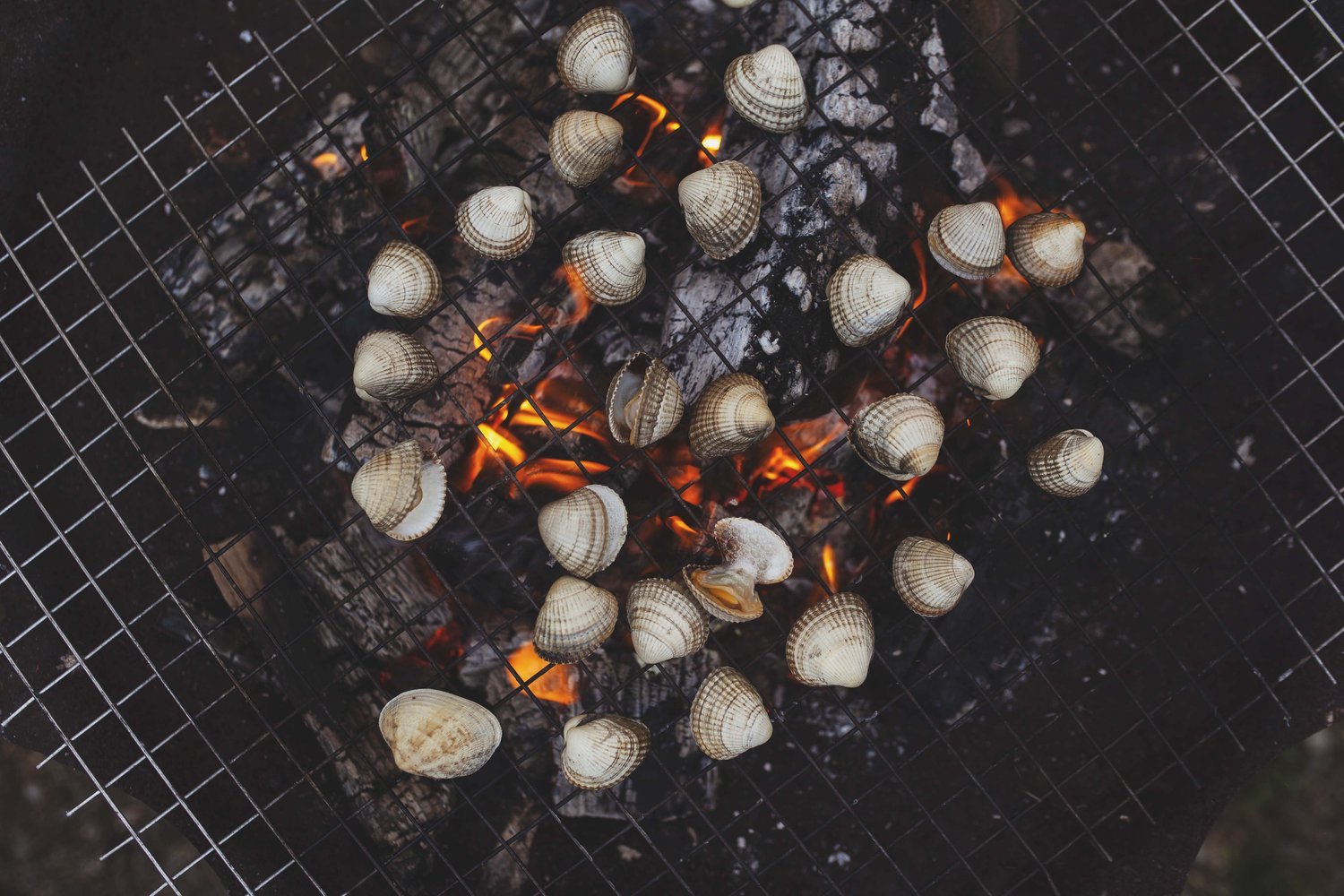
The best way to cook these delicious wild creatures is by going back to basics, and over a simple fire is best, watching them open in front of you is a brilliant way to understand when they are cooked. We do this as access to traditional ways we have been doing things for millennia. Feel free to place a couple on the grate as we talk round a shared fire, learning from each other’s stories. Feel free to bring something from where you are from, to share with others so you don’t go hungry!
PRESERVATION
We will also look at the traditional ways of preserving excess cockles and mussels, drawing from Irish, Welsh and Cornish methods, usually with the use of butter or beef dripping, and how by engaging with natural harvest sites, we also help to preserve them, through connection to the landscape.
HOME
End of the day, off to your next adventure!
NB
Due to the elemental nature of these events, they are weather dependent. There is a small chance the date will be re-scheduled in case of severe weather. Our policy with this is that we will email you with 48hrs notice with details for a new date.
If you cannot make the new date, your ticket value stands as indefinite credit to use as any of the day courses offered by Up There The Last.